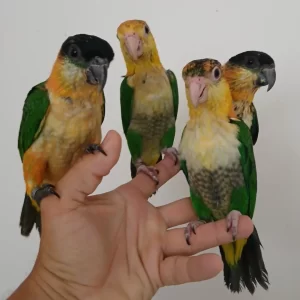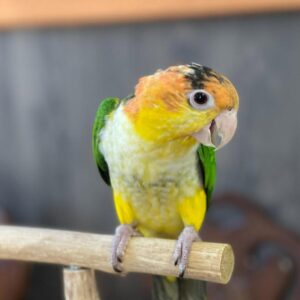
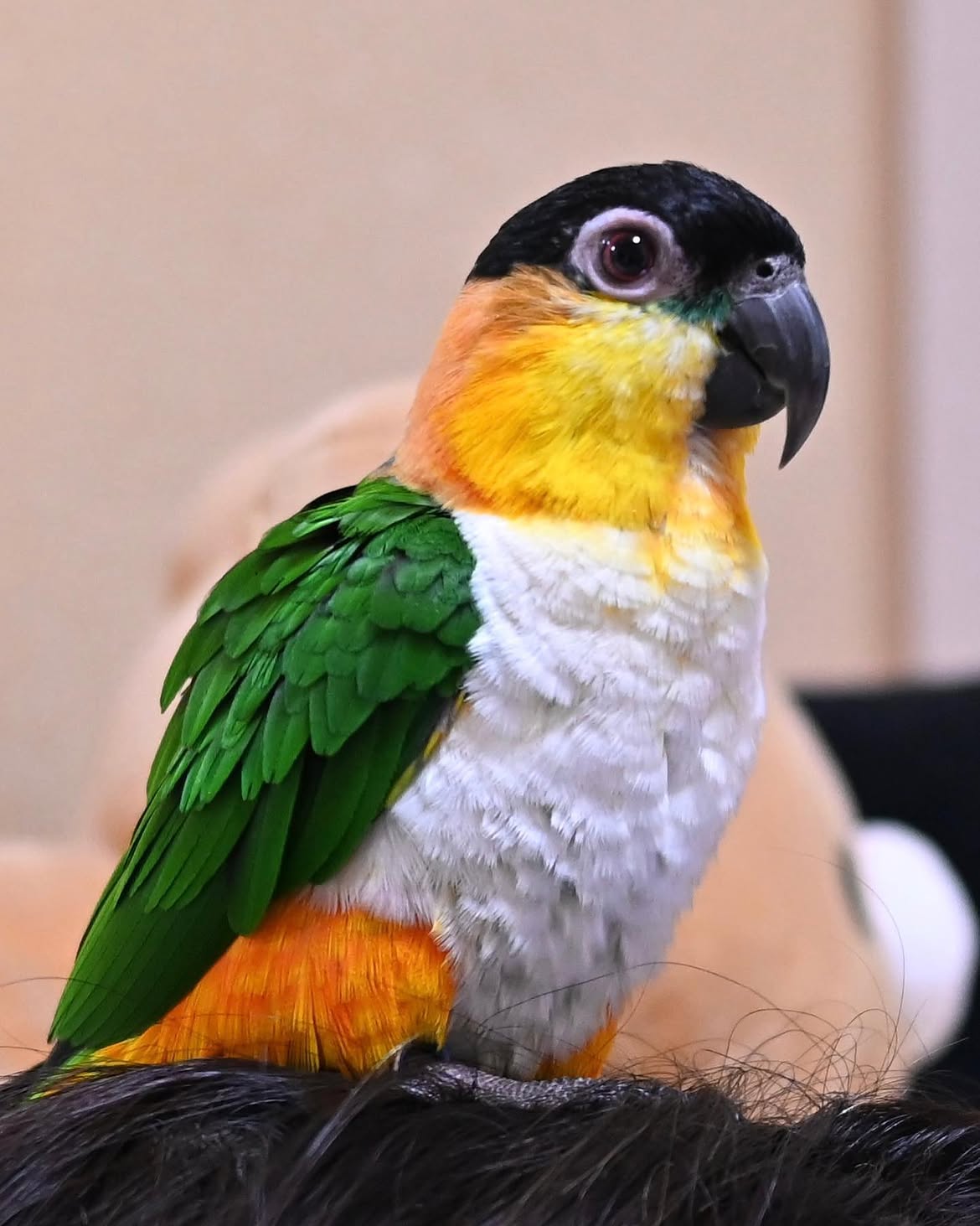
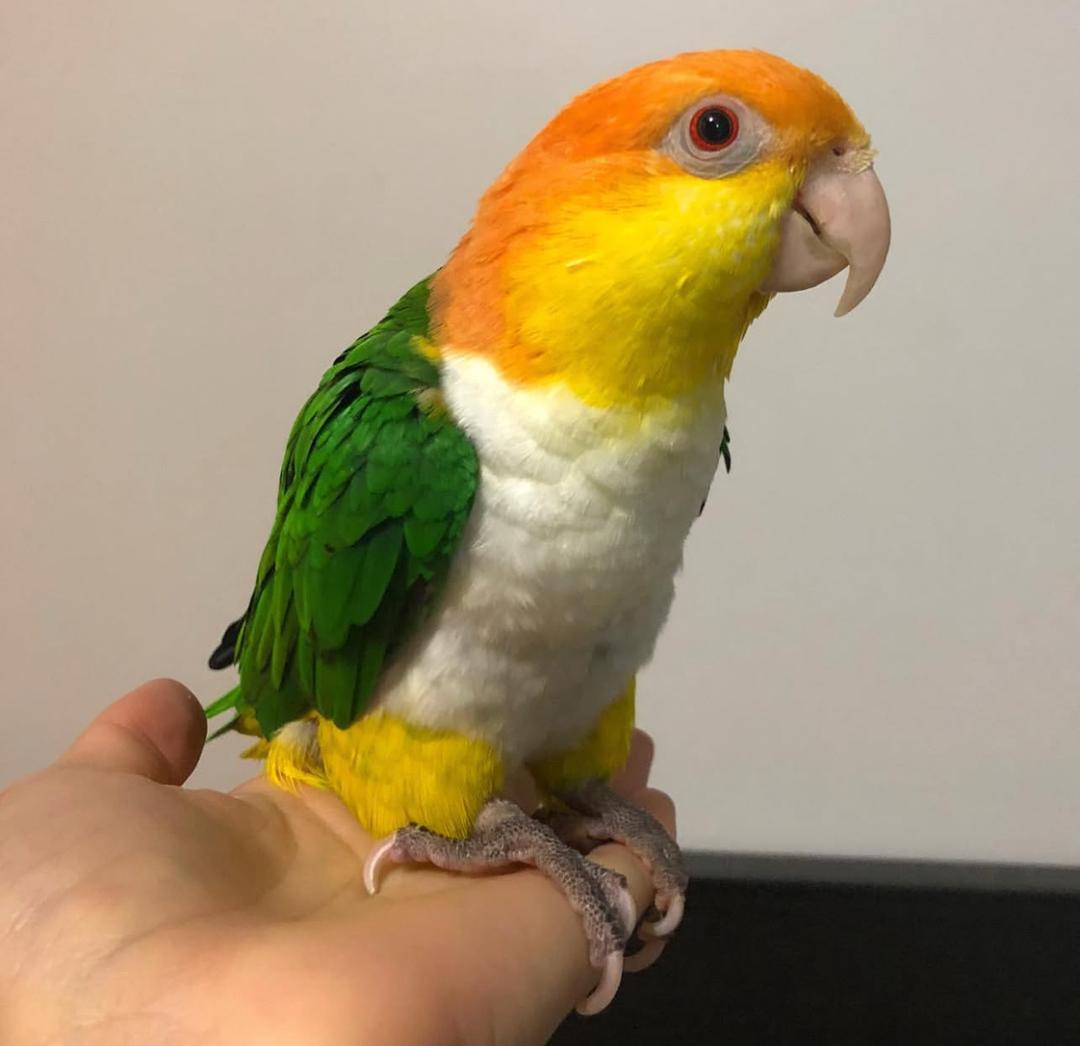
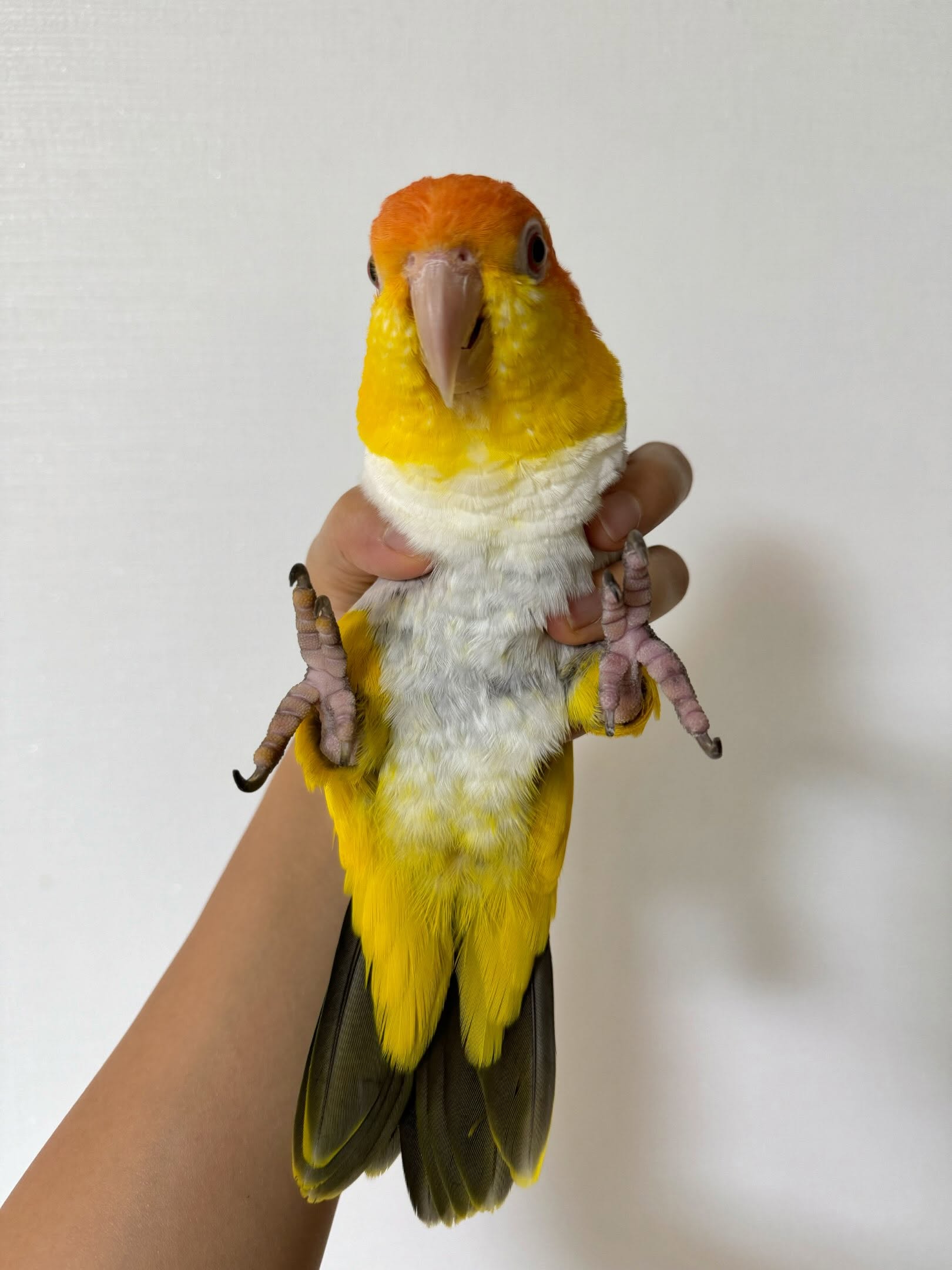
Male White-Bellied Caiques for Sale Online-Adult – ( Smart )
$650.00
Caique White-Bellied Parrot — Male & Female, Available Now, Each $1300
This beautiful Caique White-Bellied Parrot is ready for his forever home!
- Age: Adult
- Name: Mia & Dexter
- Sex: Male & Female
- Breed: Purebred
- Registration: Registered
- Training: Potty trained
- Guarantees: 1-year health guarantee | 30-day money-back guarantee
Friendly, well-socialised, and ready to bond with his new family. Serious inquiries only — contact for more details or to arrange a visit.
Description
Male White-Bellied Caiques for Sale Online-Adult – ( Smart ) – Personality, Care, Size, Lifespan & What to Know Before Buying
Looking for home-raised Male White-Bellied Caiques for Sale Online-Adult – ( Smart )? These colourful, energetic parrots are famous for their playful personalities, curious nature, and entertaining “clown-like” behaviour. Often called the “clowns of the parrot world,” Caiques are intelligent, active companion birds that can bring tremendous personality into the right home.
However, owning a Caique is more than simply choosing a beautiful pet bird. These parrots need daily interaction, plenty of exercise, mental stimulation, a safe environment, a nutritious diet, and an owner who can dedicate meaningful time to their care.
If you are considering buying a White-Bellied Caique, understanding its personality, social needs, noise level, lifespan, activity requirements, and general care needs can help you decide whether this remarkable parrot is the right companion for your household.
White-Bellied Caique Overview
White-Bellied Caiques are small-to-medium-sized parrots recognized for their striking appearance, energetic personalities, and playful behavior. They are native to parts of South America and naturally spend much of their day moving through trees, exploring their surroundings, interacting with other birds, and searching for food.
Unlike some parrots that are content to sit quietly for long periods, Caiques are naturally busy birds. They enjoy climbing, hopping, chewing, playing with toys, exploring, and interacting with people.
Their intelligence and high activity level are part of what makes them such entertaining companions—but these same qualities mean they require consistent attention and enrichment.
Quick White-Bellied Caique Facts
- Common name: White-Bellied Caique
- Type: Small-to-medium companion parrot
- Natural range: South America
- Personality: Playful, energetic, curious, social, and mischievous
- Typical captive lifespan: Approximately 25–30 years with appropriate care
- Approximate length: 22–25 cm
- Typical weight: Approximately 150–170 g
- Activity level: High
- Social needs: High
- Noise level: Moderate, with periods of energetic vocalization
- Best suited for: Owners who can provide daily interaction, enrichment, exercise, and supervision
What Makes White-Bellied Caiques Special?
One of the biggest reasons people fall in love with Caiques is their personality.
These parrots are often described as little entertainers. They may hop, climb, bounce, wrestle with toys, investigate new objects, and invent their own games. Their energetic behavior can be hilarious and endearing.
Caiques are also highly curious. Anything new in their environment may attract their attention, which means owners need to provide a bird-safe space where their natural curiosity can be expressed safely.
Their personality makes them particularly appealing to people looking for an interactive companion rather than a bird that simply sits quietly in a cage.
Caiques in Their Natural Environment
In the wild, Caiques live in the tropical forests of South America and are naturally active and social birds. They spend considerable time moving around their environment, foraging for food, climbing, exploring branches, and interacting with other birds.
This natural lifestyle provides an important clue about how they should be cared for in captivity.
A pet Caique should not spend its entire day sitting inside a cage without stimulation. A suitable environment should provide opportunities for:
- Climbing
- Chewing
- Foraging
- Playing
- Exploring
- Problem-solving
- Social interaction
- Safe exercise
Providing a variety of appropriately sized bird toys, perches, enrichment activities, and supervised out-of-cage time can help keep a Caique physically active and mentally engaged.
White-Bellied Caique Size and Lifespan
Although Caiques are relatively compact parrots, they have a sturdy build and an enormous personality.
A typical Caique may measure approximately 22–25 cm in length and weigh around 150–170 grams, although individual birds can naturally vary.
One of the most important things prospective owners should understand is their longevity.
With appropriate nutrition, veterinary care, exercise, enrichment, and a safe living environment, a companion Caique can potentially live for 25–30 years or more.
That makes bringing home a Caique a long-term commitment.
Before purchasing or adopting a White-Bellied Caique, consider whether you are prepared to care for a companion bird for decades rather than just a few years.
White-Bellied Caique Personality and Temperament
The temperament of an individual bird can vary, but Caiques are generally known for being:
- Energetic
- Curious
- Playful
- Intelligent
- Social
- Bold
- Affectionate with trusted people
- Mischievous
- Highly interactive
Their playful nature is one of their biggest attractions.
A Caique may want to participate in whatever you are doing, investigate objects around the home, or demand attention when it wants to interact.
This makes them wonderful companions for owners who enjoy active, hands-on pets.
However, their confidence and energy can also become challenging if they do not receive appropriate training, boundaries, enrichment, and socialization.
Socialization: How Much Attention Does a Caique Need?
Caiques are social parrots and generally do best when they have regular interaction with people or compatible birds.
A young Caique should be gradually exposed to different people, appropriate environments, handling, sounds, and everyday experiences. Positive socialization can help a bird become more confident and adaptable.
Socialization should always be gentle and based on positive experiences. Avoid forcing interaction when a bird is frightened or uncomfortable.
Can a Caique Live Alone?
Yes, a Caique can potentially live as a single companion bird, but that does not mean it should be socially isolated.
A single Caique may rely heavily on its human family for companionship and interaction. Owners should therefore be prepared to provide regular attention and enrichment throughout the day.
Some owners may consider keeping two birds, but introducing another parrot is not automatically a solution to loneliness. Caiques can be territorial and individual birds may not accept another bird immediately—or at all.
Any introduction should be gradual, carefully managed, and supervised.
How Much Time Does a Caique Need Outside Its Cage?
Caiques are highly active birds and benefit from substantial supervised time outside their enclosure.
Many owners aim to provide several hours of supervised out-of-cage activity each day, depending on their individual bird, household, and available environment.
Out-of-cage time can include:
- Interactive play
- Training
- Foraging activities
- Climbing
- Exploring a bird-safe area
- Playing with toys
- Positive human interaction
Because Caiques are extremely curious, out-of-cage time should always be supervised.
Electrical cables, toxic household products, open windows, ceiling fans, other pets, small objects, and other household hazards should be kept away from an exploring bird.
What Happens If a Caique Is Left Alone Too Long?
Caiques can become bored when they lack adequate interaction and enrichment.
A chronically understimulated parrot may develop unwanted behaviors such as excessive vocalization, destructive chewing, or other stress-related behaviors.
Like other companion parrots, Caiques can also become distressed when their social and environmental needs are consistently unmet.
If you work long hours, travel frequently, or spend most of your day away from home, carefully consider whether your lifestyle can accommodate a highly social and energetic parrot.
Before buying a White-Bellied Caique, it is worth asking yourself:
“How much time can I realistically spend interacting with my bird every day?”
The answer is more important than simply having enough space for a cage.
Are White-Bellied Caiques Loud?
Caiques are not generally considered among the loudest parrot species, but they are definitely not silent pets.
They communicate using different vocalizations, including whistles, chirps, chatter, calls, and squawks.
A Caique may become more vocal when it is:
- Excited
- Playing
- Seeking attention
- Greeting its owner
- Responding to sounds
- Exploring something interesting
Their calls may be less powerful than those of some larger parrots, but the frequency and persistence of vocalizations can still be noticeable.
If you live in an apartment, condominium, or shared building, consider your neighbors and local noise restrictions before bringing home a Caique.
Do Caiques Talk?
Caiques are capable of learning and mimicking certain sounds, words, or phrases, but they are not generally purchased primarily for their talking ability.
Individual birds vary considerably.
Some may learn several words, while others may prefer whistles, household sounds, and their own unique vocalizations.
If talking ability is your main priority when choosing a parrot, it is important to understand that there are no guarantees about how many words an individual Caique will learn.
Their real strength is their interactive and playful personality.
Exercise and Mental Stimulation for Caiques
A healthy Caique needs more than food, water, and a cage.
Because these birds are naturally active, enrichment should be an important part of their daily routine.
Consider offering a rotating selection of safe toys and activities, such as:
- Chewable bird toys
- Foraging toys
- Puzzle toys
- Climbing opportunities
- Shreddable materials
- Foot toys
- Training activities
- Supervised play areas
Rotating toys can help maintain interest and prevent the environment from becoming predictable.
Training is also an excellent form of mental stimulation. Short, positive training sessions can help your Caique learn useful behaviors while strengthening the bond between bird and owner.
Creating a Safe Home for Your Caique
Caiques are curious enough to investigate almost everything around them.
A bird-proofed environment is therefore essential.
Before allowing your Caique to explore outside its enclosure, inspect the room for potential hazards.
Important considerations include:
- Open doors and windows
- Ceiling and standing fans
- Electrical cables
- Toxic plants
- Household chemicals
- Non-stick cookware and fumes
- Hot cooking surfaces
- Small objects that could be swallowed
- Other household pets
- Unsecured containers of water
Because parrots are sensitive animals, owners should also be aware of airborne hazards and fumes in the home.
If you are unsure whether a product, plant, cookware item, or household substance is safe around parrots, consult an avian veterinarian before using it around your bird.
Diet and Nutrition for White-Bellied Caiques
A balanced diet is a fundamental part of responsible Caique ownership.
A companion Caique should receive an appropriately formulated diet along with suitable fresh foods as recommended by an avian veterinarian.
Depending on the bird and veterinary recommendations, fresh vegetables, selected fruits, and other appropriate foods may be incorporated into the diet.
Avoid assuming that foods that are safe for people are automatically safe for parrots.
Some common human foods and substances can be dangerous to birds, so prospective owners should learn which foods are appropriate before bringing a Caique home.
Fresh, clean drinking water should also be available every day.
Veterinary Care for Caiques
Routine veterinary care is an important part of responsible parrot ownership.
Because parrots can sometimes hide signs of illness, regular wellness examinations with an avian veterinarian can help identify potential health concerns earlier.
A veterinarian can also provide guidance about:
- Nutrition
- Weight monitoring
- Nail and beak care
- Feather health
- Parasite prevention
- Environmental safety
- Behavioral concerns
- General preventive care
If you purchase a Caique online, ask about the bird’s health history and request appropriate veterinary documentation before completing the purchase.
Choosing a Home-Raised White-Bellied Caique
When searching online for a home-raised White-Bellied Caique for sale, focus on the quality and transparency of the seller rather than simply choosing the lowest advertised price.
A responsible breeder or seller should be willing to answer questions about the bird and provide clear information about its history and care.
Before purchasing, consider asking:
- How old is the Caique?
- Has the bird been properly socialized?
- What diet is the bird currently eating?
- Has the bird received veterinary care?
- Are health records available?
- What is the bird’s current temperament?
- Is the bird accustomed to being handled?
- What toys and enrichment does the bird use?
- What type of enclosure is the bird accustomed to?
- What documentation is provided with the bird?
- What are the arrangements for safe transportation?
- What support is available after purchase?
A trustworthy seller should be comfortable discussing these questions openly.
Why Buy a Home-Raised Caique?
A well-socialized, home-raised Caique may already be accustomed to normal household sounds, human interaction, handling, and everyday routines.
However, the phrase “home-raised” should not automatically be treated as a guarantee of temperament or health. Individual birds develop differently, and responsible socialization and care remain important throughout the bird’s life.
When evaluating a White-Bellied Caique for sale online, look for transparency, appropriate care practices, clear communication, and documentation.
Is a White-Bellied Caique Right for You?
A Caique can be an excellent companion for the right owner, but this energetic parrot is not ideal for everyone.
A Caique may be a good match if you:
- Enjoy interactive companion birds
- Have time for daily interaction
- Can provide supervised exercise
- Enjoy training and enrichment
- Are comfortable with some noise
- Can afford long-term veterinary and care costs
- Are prepared for a 25+ year commitment
- Can provide a safe and stimulating environment
A Caique may not be the right choice if you:
- Want a very quiet pet
- Travel frequently
- Work extremely long hours away from home
- Prefer a bird that requires little interaction
- Cannot provide daily enrichment
- Are not prepared for a long-term commitment
Frequently Asked Questions About White-Bellied Caiques
How much does a White-Bellied Caique cost?
The price of a White-Bellied Caique can vary depending on factors such as age, breeder, location, socialization, veterinary care, availability, and other circumstances. Buyers should consider the total cost of responsible ownership—not just the initial purchase price.
Are White-Bellied Caiques good pets?
Yes, they can make wonderful companion birds for owners who understand their needs. They are intelligent, playful, social, and energetic, but they require substantial interaction and enrichment.
Are Caiques good for beginners?
They can be suitable for a committed first-time parrot owner who is prepared to learn about parrot care and provide adequate time, training, enrichment, and veterinary care. Their high energy level means they should not be considered a low-maintenance beginner pet.
How long do White-Bellied Caiques live?
With appropriate care, Caiques can live approximately 25–30 years or potentially longer. Prospective owners should view purchasing one as a long-term commitment.
Are Caiques cuddly?
Individual personalities vary. Some Caiques enjoy close interaction and affection, while others prefer active play and engagement. A bird should never be forced to accept physical contact.
Are Caiques aggressive?
Caiques can be bold and territorial, and individual birds may display nipping or aggressive behavior in certain circumstances. Early socialization, positive reinforcement, appropriate boundaries, and understanding bird body language can help manage behavior.
Do Caiques need another bird?
Not necessarily. A single Caique can live with human companionship, provided its social and enrichment needs are met. Introducing another bird should be done carefully because compatibility is not guaranteed.
How noisy is a Caique compared with a larger parrot?
Caiques are generally smaller and less powerful vocally than many large parrots, but they can still produce persistent calls and squawks. Their noise level should be considered before purchasing one, particularly if you live in shared housing.
Find the Right White-Bellied Caique for Your Home
Searching for White-Bellied Caiques for sale online should be about more than finding an available bird. The goal should be finding a healthy, appropriately socialized companion from a transparent and responsible source.
Take time to ask questions, review available documentation, understand the bird’s current diet and routine, and make sure you are prepared for the commitment involved.
A White-Bellied Caique can become an energetic, entertaining, and deeply rewarding companion when its physical, social, nutritional, and emotional needs are properly understood and supported.
If you are ready for an intelligent parrot with a huge personality packed into a relatively small body, the White-Bellied Caique may be the companion bird you’ve been looking for.